|
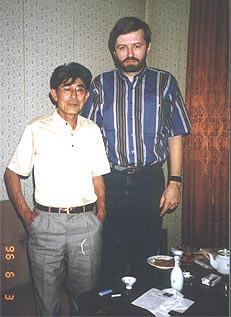
Konstantin Kovalev (Kovalev-Sluchevsky): russian writer, historian, culturologist and TV-anchorman |
|
Konstantin Kovalev (Kovalev-Sluchevsky): russian writer, historian, culturologist and TV-anchorman |
|
|
|
___________
Contact: ___________
New books of K.Kovalev-Sluchevsky
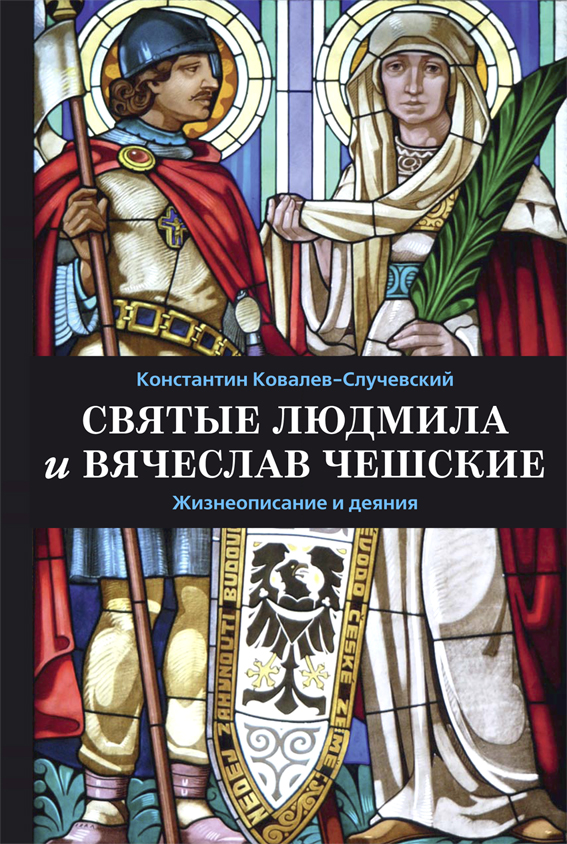
Saints Ludmila and Vyacheslav Czech First time in Russia !!!
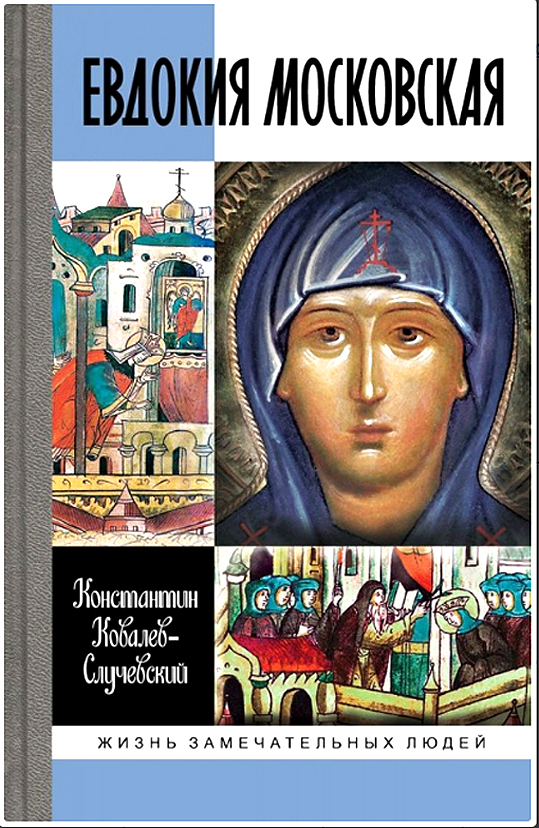
Eudoxia of Moscow, Grand Duchess, nun Euphrosinia, wife and widow of Dmitry Donskoy 1st full life story!
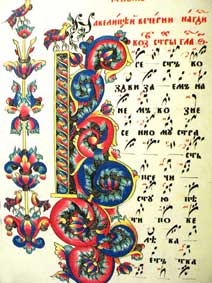
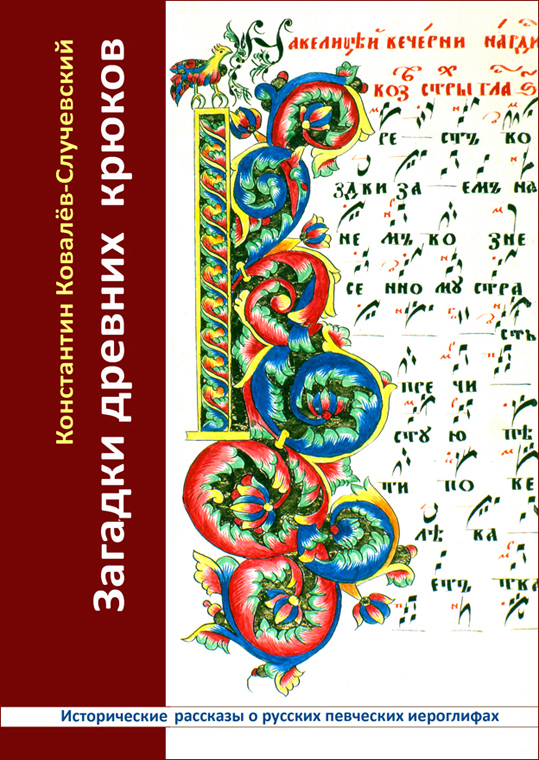
Secrets of ancient hooks Historical stories about Russian singing hieroglyphs
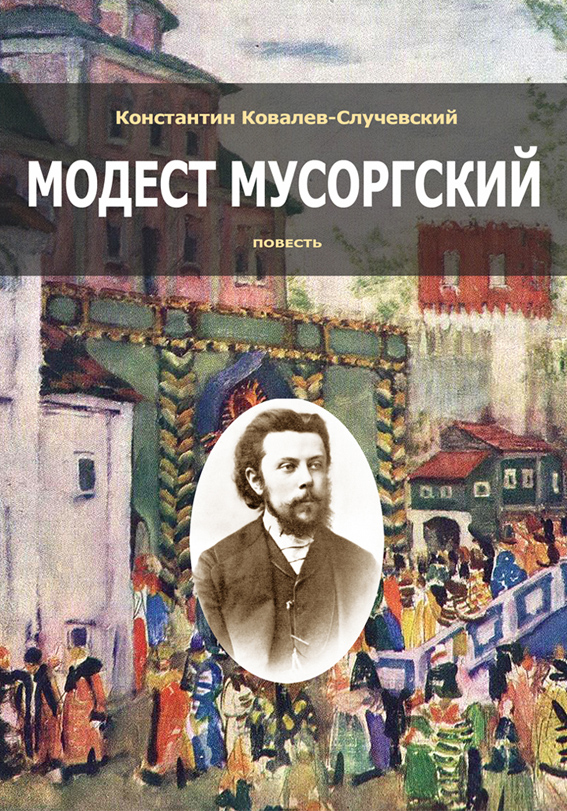
Modest Mussorgsky Tale of the composer
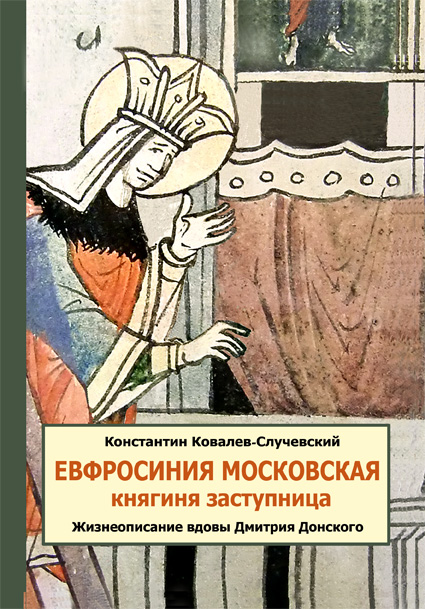
Euphrosyne of Moscow, Princess Intercessor The first rare edition, full text and full collection of illustrations
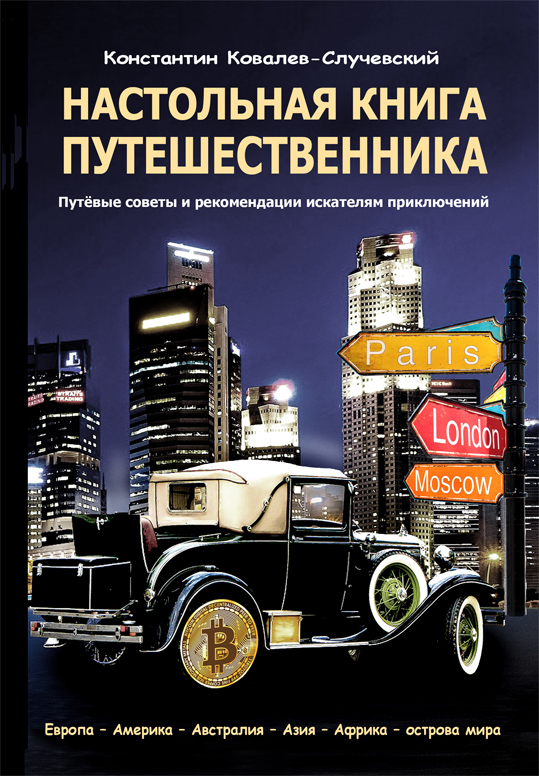
Traveler Handbook Travel tips and advice
for adventure seekers: Australia - Africa - Islands of the World
Secrets
of the Tsar's Road
New Zvenigorod's Annals (Chronicles of Zvenigorod) Unusual history of Russia
Zvenigorod and Zvenigorod’s Russia The Treasures of a Moscow Suburb.
Stories, essays and
investigation more than 1000 illustrations)
Yuri Zvenigorodsky Great Prince of Moscow Book in a series "Life of outstanding people"
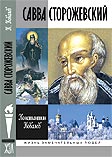
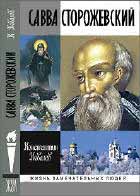
Savva Storozhevsky Life: facts and myths,
legends and hypotheses.
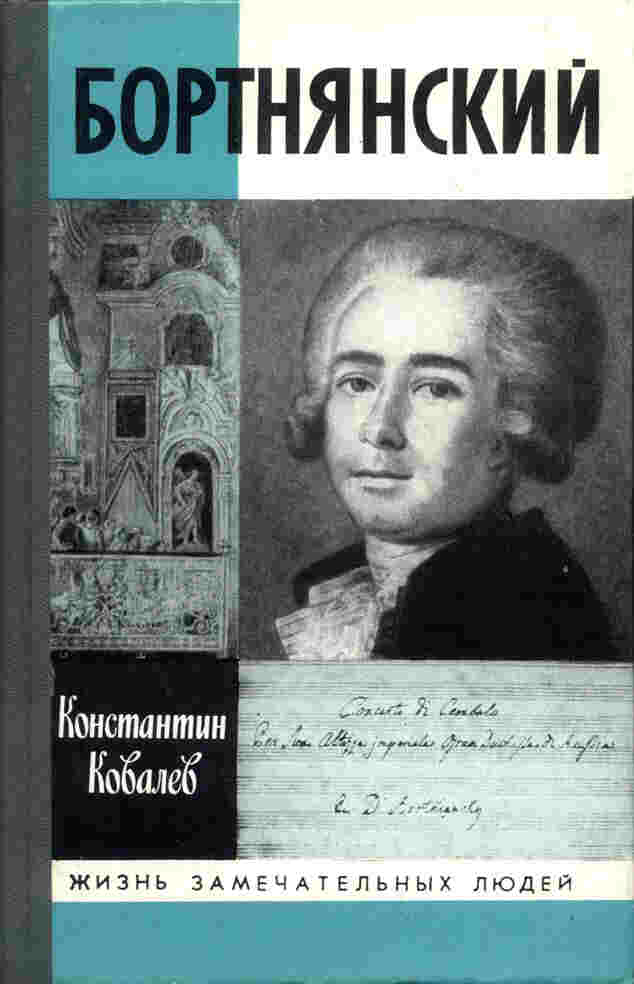
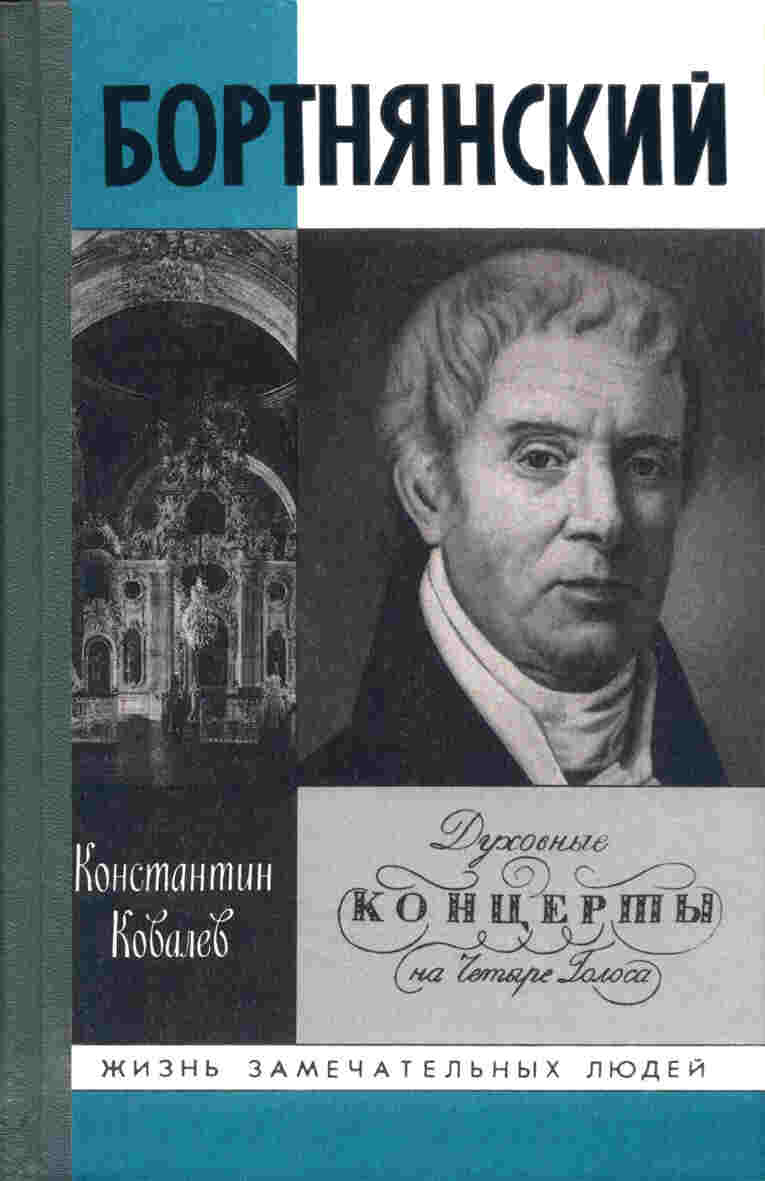
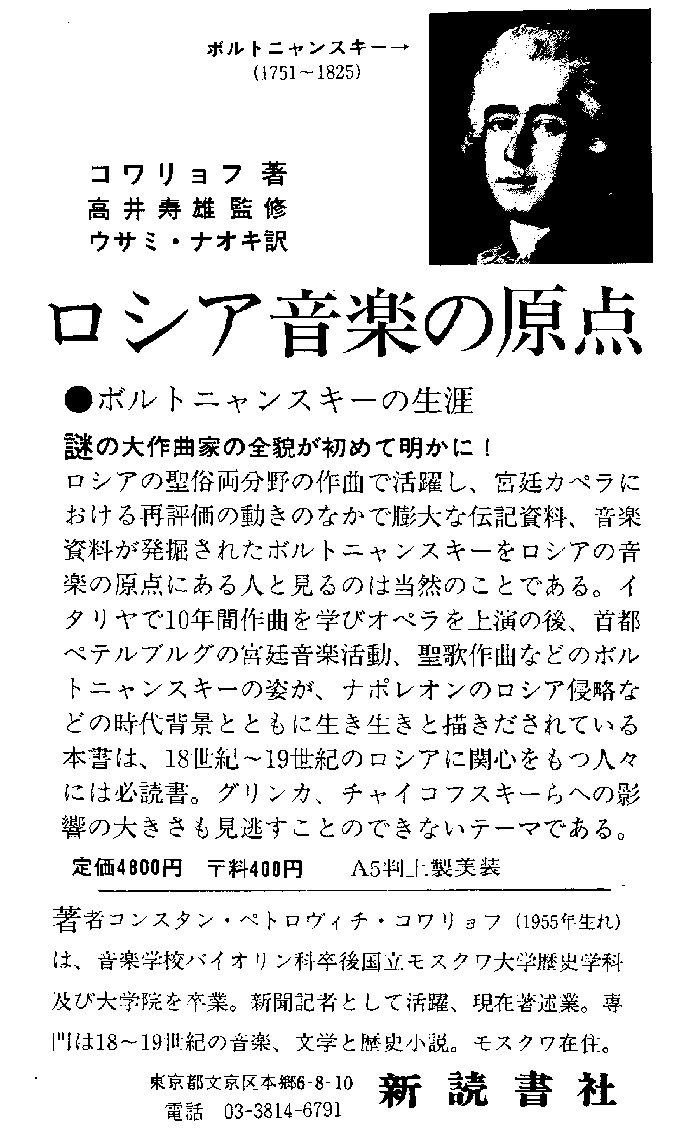
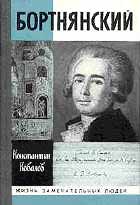
Bortniansky Composer 18th century Book in a series "Life of outstanding people"
Names and persons of Russian culture
Saint Savva and great battles of Medieval Russia
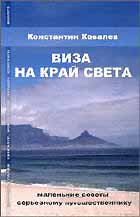
Visa to the end
of the Earth serious traveler
◊ by Konstantin Kovalev-Sluchevsky:
Burtsev Vasily Hristianin Fedor
Likhachov Dmitry Mussorgsky Modest Raevsky Nikolai
|
(Kovalev Konstantin Petrovich)
Short biography - HERE ›››
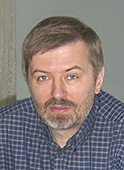
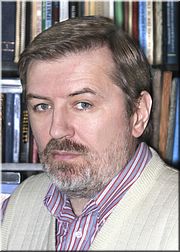
Konstantin P. Kovalev (literary pseudonym - Konstantin Kovalev-Sluchevsky) - writer, historian, television anchorman and host, culture expert and traveler. Professor of the Institute of journalism and creative writing - IZHLT, Moscow. (Born 09.27.1955, www.kkovalev.ru).
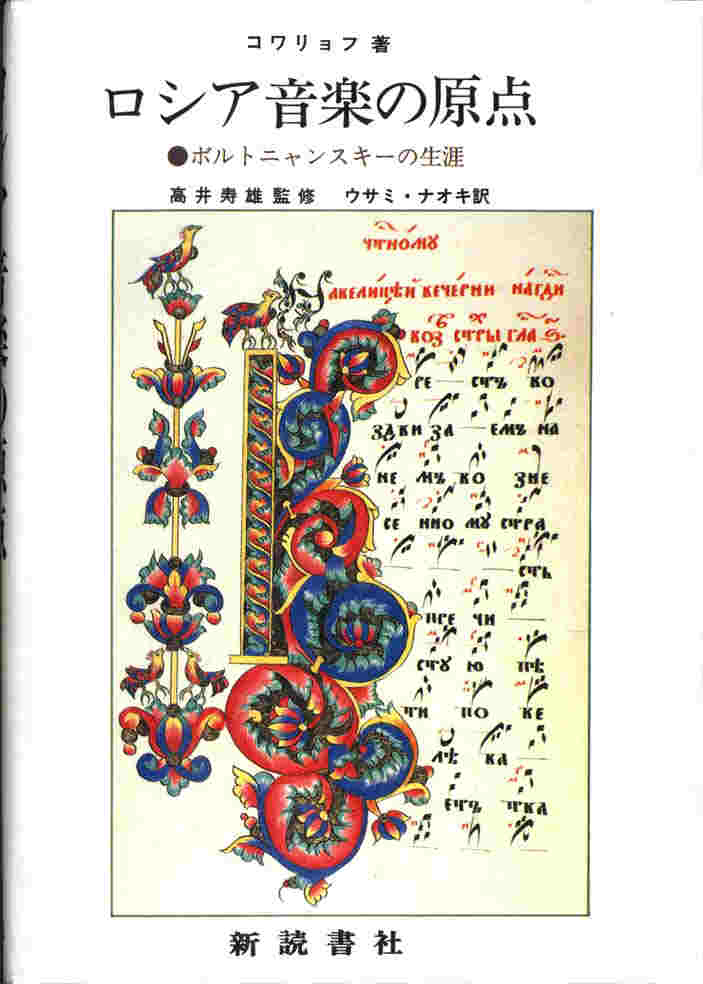
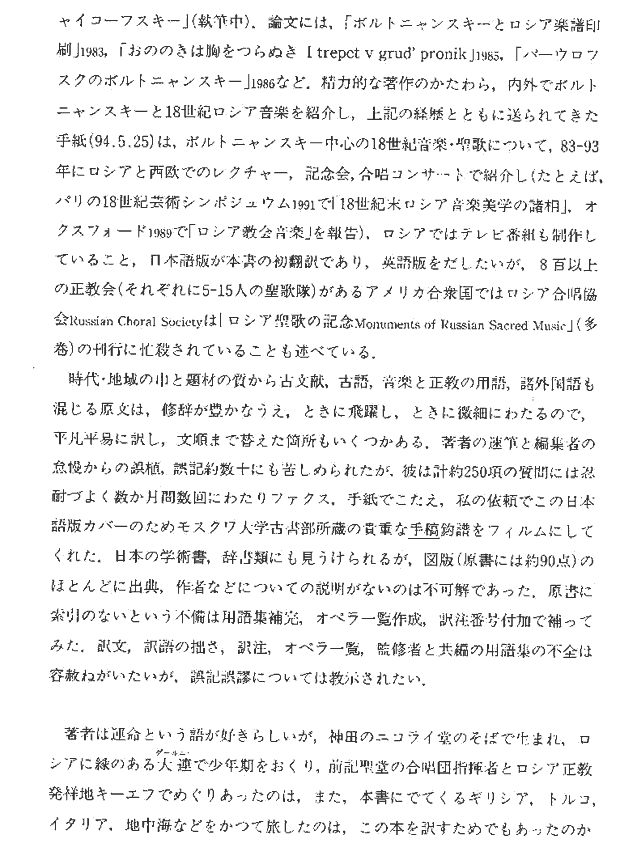
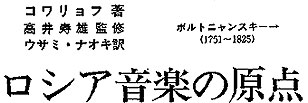
In particular - the author of the books: - Starting point of the Russian music, life of composer Bortniansky - Savva Storozhevsky. Life: facts and myths, legends and hypotheses
Description:
SBN:4-7880-6105-8
See also page of this site: All around Dmitry Bortniansky - here ›››
Amazon.com - here ››› Worldcatlibraries.org - here ››› Ozon.ru - here ››› • • •
The Columbia Encyclopedia, Sixth Edition. 2001-05.
• • •
A wealth of glorious treasures, a magnificent bounty was left to us by the
exuberantly generous, incredibly talented Russian musical 18th century.
St.Petersburg… The glittering capital of 18th century Russia… The first
Russian operas, small, but priceless gems – “Russian songs”, published in
St.Petersburg in the mid-18th century, destined to speedily enchant all of
Europe with their artless beauty, the birth of powerful instrumental music –
a sensation, worthy of being entered into the Guinness Book of Records! The
18th century became an acknowledged summit in the evolution of Russian
church music, the result of eight centuries of existence of this most
ancient music genre in Russia. The Voice of Russia
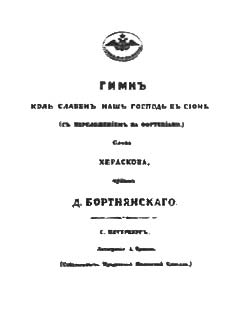
All about Bortniansky's hymn "Kol slaven" ("How Glorious is Our Lord")
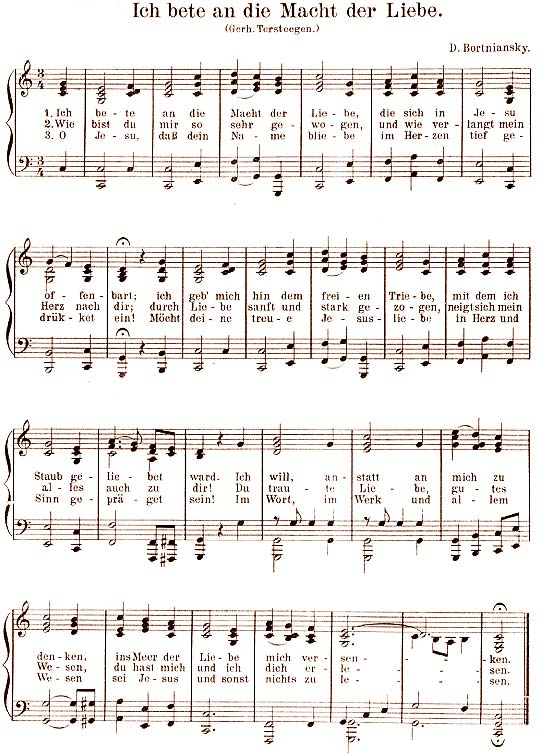
The well-known hymn - "Коль славен" ("Kol slaven" or "How Glorious is Our Lord in Zion"; considered up to now as the Hymn of Russian emigration) was written by the composer with the text of poet M.M. Heraskov - at the end of XVIII century (version - 1822). Printed notes of this hymn are known. Some time was considered as formal national hymn of the Russian state (served for a considerable time as the national anthem of the Russian empire). It was frequently executed in public places and at assemblies. The hymn also was very popular outside Russia.
In XX century the Hymn was executed with choruses of Russian emigration.
Sometimes the melody sounded in performance of orchestras. Record of Russian
emigrants (the rare edition), execution of the Hymn by an orchestra under
A.A.
Skrjabin's management and under protection of Association
Russian Imperial Horse Guards and Horse Artillery in Paris (1950-th) is
known.
Original German text:
Prior to the October revolution in 1917, the tune was played by the Moscow
Kremlin carillon (in bell tower) every day at 15 o'clock and at 21 o'clock
exactly. More in Russian about hymn ››› (The text is written for publication)
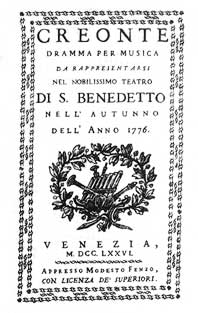
The Title of
the printed libretto of Bortniansky's opera "Creonte". • • •
• • •
• • •
Konstantin Kovalev. Savva
Storozhevsky. Life: facts and myths, legends and hypotheses.
- M.: Molodaja Gvardia, 2007. - 416 p.: ill.
"Savva Storozhevsky" Life: facts and myths, legends and hypotheses. Book in a series "Life of outstanding people"
A biography of one of the most prominent of Russian confessor. This is a readable account of the St. Savva life, based on scholarly research but intended for the general reader as well as those who are already connoisseurs of Russian history. The author has considered the various facts and myths, legends and hypotheses. In result the author offers new datings. The majority of the known historical dates connected to St. Savva name, demand revision and changes. The author puts forward two ten new hypotheses. Even the text, which is published at the end of the given page of a site, - already possible to name out-of-date. The book is illustrated with virtually all the portraits and other pictures surviving which relate to St. Savva life. The book reflects Russian (Asian and European) life at the end of the 14th and in the beginning of the 15th centuries. The author worked in domestic archives and libraries for collecting materials for a spelling of the books about Savva Storozhevsky, about starting point and development of Russian state, church and cultural life in this epoch. The book about Savva Storozhevsky and his epoch was published in a series "Life of outstanding people" (ZSL, mass editions - 15000 copies). Now it is the thirst full and extensive biography, the main and capital works about the Russian confessor.
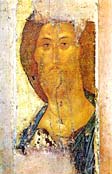
Spas Zvenigorodsky (Christ the Redeemer).
Andrei Rublev icon discovered in the Zvenigorod in 1918-1919.
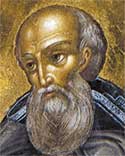
St. Savva Storozhevsky, fresco of 19 centuries from an altar of a cathedral of Birth of Virgin
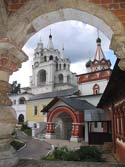
The bell tower (clock-tower) of the Savva monastery (boasting the clock that the czar had brought from the town of Smolensk, on 1655)
• • • Contacts e-mail: kkovalev@mail.ru
|




 Life
of Russian of 18th century composer
Bortniansky
Life
of Russian of 18th century composer
Bortniansky